
In Abu Dhabi, moving food or pharmaceuticals is a regulated activity, not a casual one. A roadside inspection is not the moment to discover that your transport provider cannot produce the right permit. This page sets out exactly which standards Best Refrigerated Trucks Rental operates to, what documentation we hold, and what we can hand you for your own audit or client-compliance needs with proof, not just claims.
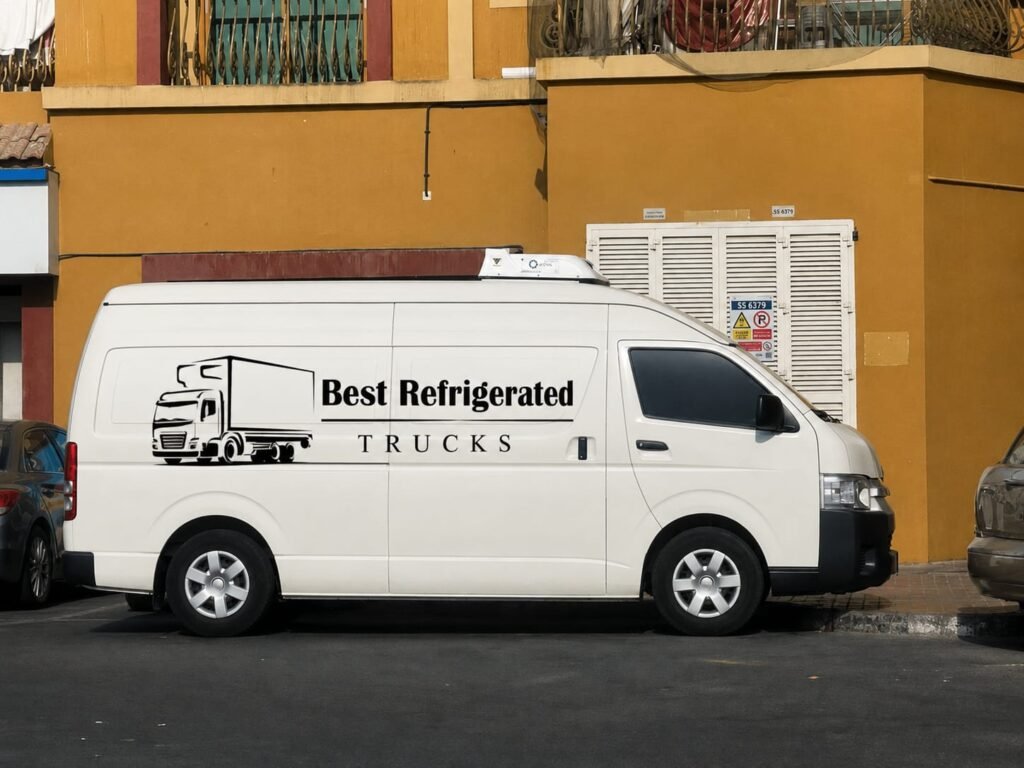
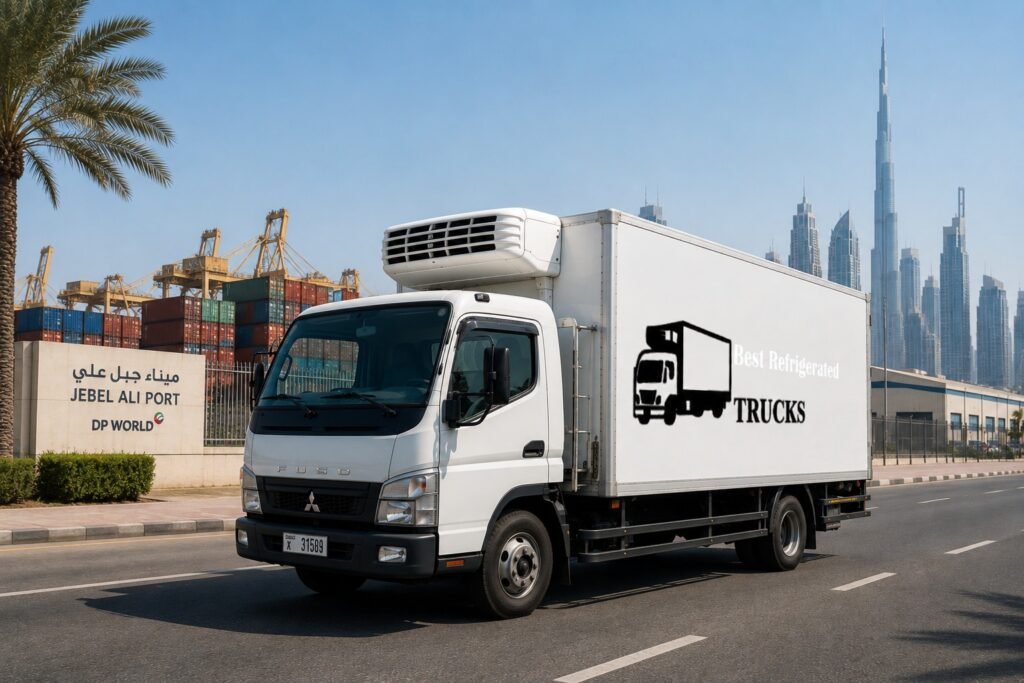
Every vehicle that carries food commercially in the Emirate of Abu Dhabi must hold a valid Mobile Food Establishment permit issued by the Abu Dhabi Agriculture and Food Safety Authority (ADAFSA). This is not optional and there is no informal grace period — ADAFSA runs unannounced roadside inspections across the emirate, and an unpermitted vehicle exposes both the operator and, by extension, your delivery to enforcement penalties.
Our chiller vans, chiller trucks and freezer trucks operate under valid ADAFSA Mobile Food Establishment permits. When you book with us, the vehicle that arrives at your loading bay is one that is legally cleared to carry your product — which means an inspection stops your load for minutes, not hours, and never because the paperwork was missing.
HACCP Hazard Analysis and Critical Control Points is not a badge you buy; it is a documented food-safety system. In our operation it governs three things that decide whether your cold chain holds: how each vehicle is sanitized between contracts, how temperature is controlled and verified from pre-cool to unload, and how the driver handles the product at every stop.
We maintain HACCP-compliant procedures across the whole fleet, and full documentation is available on request. If you are a food business subject to your own HACCP obligations, using a transport provider that cannot evidence the same standard is a gap in your chain, so we make ours easy to verify before you commit to a first booking.
ADAFSA, the Abu Dhabi Agriculture and Food Safety Authority, formerly the Abu Dhabi Food Control Authority, sets and enforces food-safety rules across the emirate under Abu Dhabi’s food legislation. We build our food-transport procedures around ADAFSA’s requirements for temperature-controlled vehicles: permitted vehicles, trained handlers, controlled temperature, and a documented record that the product stayed in range for the whole route.
This matters most at the point of inspection or audit. Whether an ADAFSA inspector checks a vehicle at the roadside or your own quality team asks you to evidence your supply chain, the transport leg is covered and documented rather than being the weak link nobody checked until it failed.
An untrained driver is one of the most common causes of a spoiled load — a propped-open door, pallets stacked so they block airflow, or a temperature deviation nobody noticed until unloading. We treat the driver as part of the cold chain, not an afterthought. Every driver is UAE-licensed for commercial operation and registered for work in Abu Dhabi. Drivers are trained to ADAFSA food-handling standards, including Essential Food Safety Training (EFST) certification for food-transport work. Cold-chain-specific training covers pre-cool checks, correct loading for airflow, door discipline on multi-stop routes, and what to do the moment a temperature reading drifts. A trained, cold-chain-aware driver is included on every rental as standard — we do not offer this as a paid add-on, because the load depends on it.
Compliance on paper means nothing if the equipment cannot hold temperature. Our fleet is specified to keep your product in range from the moment it is loaded. Carrier and Thermo King refrigeration units — proven cold chain hardware, maintained on schedule, not retrofitted cooling boxes on a general van. Pre-cooled to your setpoint before arrival — the vehicle reaches temperature before it reaches you, so the first minutes of loading do not compromise the load. Calibrated temperature control — chiller units holding a stable 0°C to +8°C, freezer units running to −18°C and below, with the reading you need verifiable on the vehicle. ASATEEL-integrated GPS tracking on every vehicle, so route and status are traceable throughout the job.
If your business is food, pharma or healthcare, you may need to prove — not merely state — that a shipment held temperature for the entire route. We build that proof into every booking. A digital temperature display is fitted as standard to every vehicle. A printed or digital temperature log is supplied free on request — before you need it for an auditor, not after. Logs are suitable for ADAFSA inspection, your own HACCP records, or evidencing cold chain integrity to your clients. Ask for the log at booking and it travels with the delivery. You should never be in the position of an auditor asking for a record you cannot produce.
Pharmaceutical and healthcare cargo carries the tightest tolerance and the highest stakes. For clinics, pharmacies and distributors moving temperature-sensitive medicines, we apply Good Distribution Practice (GDP) principles: a validated +2°C to +8°C hold, documented temperature records for the full route, and defined handling if a reading ever drifts out of range.
If you move pharmaceutical product, tell us at enquiry and we will confirm the exact specification, documentation and handling protocol for your route before you book. Full detail on our pharmaceutical cold chain transport page.
Certification is only worth anything if it is live. Permits lapse, calibration drifts, and training dates out — so we manage compliance as an ongoing operation, not a one-time claim:

Yes. We maintain HACCP-compliant procedures across the fleet, covering vehicle sanitation, temperature control and driver handling. Full documentation is available on request before you book.
Yes. Our food-transport vehicles operate under valid ADAFSA Mobile Food Establishment (MFE) permits, which are legally required to carry food commercially in Abu Dhabi. This means an inspection does not hold up your delivery over missing paperwork.
Yes. Every vehicle has a digital temperature display as standard, and a printed or digital temperature log is supplied free on request — suitable for ADAFSA inspection, your own HACCP records, or proving cold chain integrity to your clients.
Yes. Every driver is UAE-licensed, trained to ADAFSA food-handling standards including Essential Food Safety Training, and given cold-chain-specific instruction on pre-cool, loading and temperature control. A trained driver is included on every rental as standard.
Yes, to Good Distribution Practice principles — a validated +2°C to +8°C hold with full temperature documentation. Because pharmaceutical requirements vary by product, we confirm the exact specification for your route at enquiry.
At minimum: a valid ADAFSA Mobile Food Establishment permit for the vehicle, HACCP-compliant procedures, food-safety-trained drivers, and the ability to supply a temperature log. If a provider cannot produce these on request, treat that as your answer.
WhatsApp us